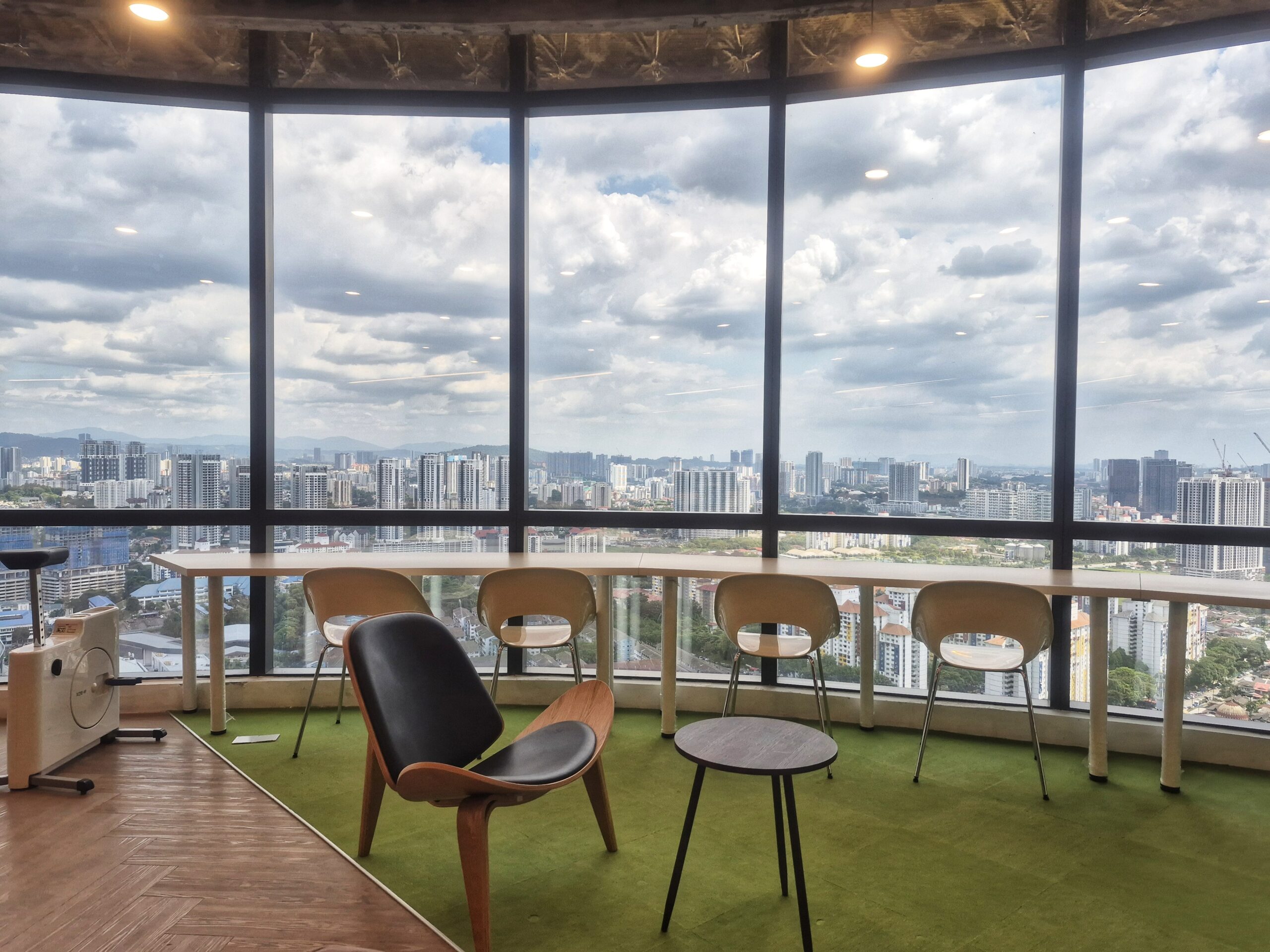


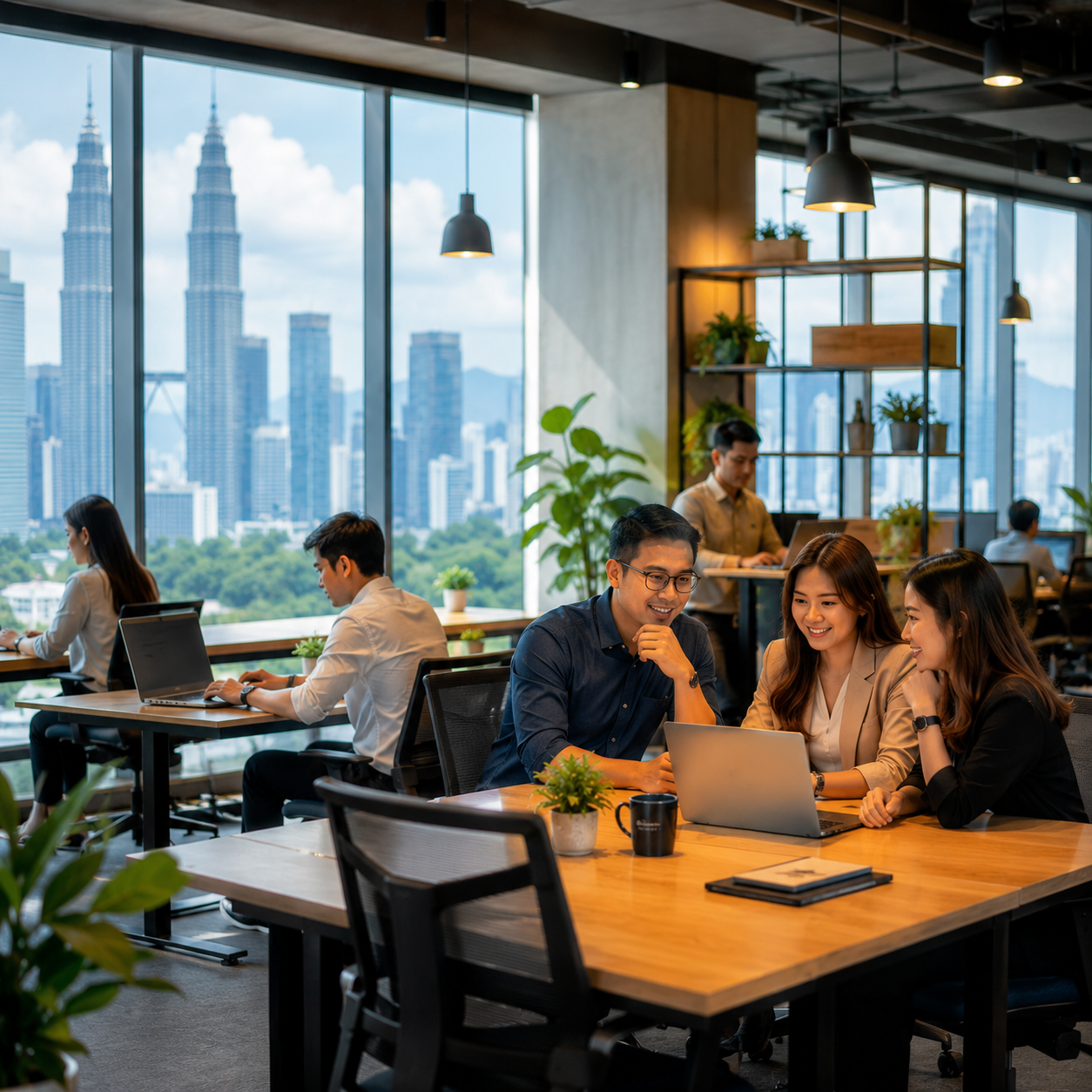
The traditional 9-to-5 corporate setup is officially facing a structural shift. If you drive through the bustling commercial hubs of Kuala Lumpur (KL) and Petaling Jaya (PJ) today, you’ll notice a distinct transformation in where and how people work. Shophouses and high-rises that once housed rigid, cubicle-laden offices are increasingly being replaced by vibrant, design-centric flexible workspaces.
For Small and Medium Enterprises (SMEs) in Malaysia, the decision of where to anchor their teams has never been more critical. Long-term commercial leases and heavy capital expenditures (CAPEX) are no longer the default choice. Instead, localized co-working spaces are taking center stage.
But what is driving this massive wave of popularity across KL and PJ? Let’s dive into the core factors making flexible workspaces the ultimate growth hack for modern SMEs.
1. The Death of the Long-Term Lease: Ultimate Financial Agility
For an SME, cash flow is everything. Traditional office rentals in prime KL locations or hot PJ districts typically lock businesses into rigid 2- to 3-year contracts. On top of that, there’s the hidden financial burden of renovation, purchasing office furniture, and setting up utilities.
Co-working spaces completely flip this script by offering an all-inclusive, plug-and-play model.
- No Heavy CAPEX: Companies can skip the upfront financial strain of outfitting a raw office space.
- Cost Efficiency: Regional industry reports indicate that switching to a flexible workspace model can save small businesses significantly on operational overheads compared to traditional city-center corporate setups.
- Scalability: If an SME expands from a team of 5 to 20, they don’t need to pack up and look for a new building. They simply scale their membership package from hot desks to a larger private suite overnight.
2. Strategic “Hub-and-Spoke” Locations (Minus the Traffic Jams)
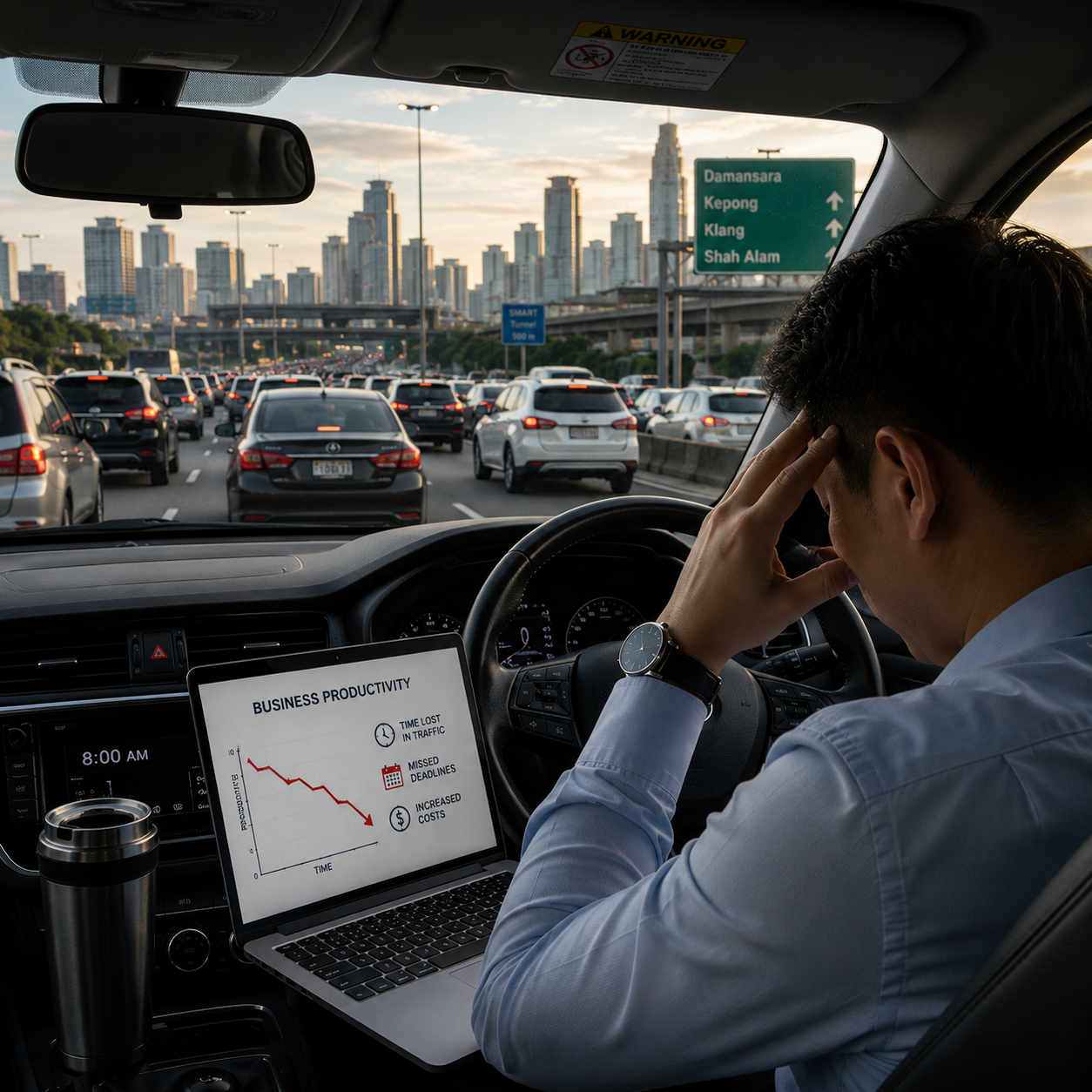
Anyone living in the Klang Valley knows that the daily commute can be a massive productivity killer. Rather than forcing employees to fight traffic into the absolute center of KL’s Golden Triangle, savvy SMEs are leveraging the extensive networks of suburban co-working hubs.
Flexible space providers are aggressively expanding into highly accessible, premium suburban neighborhoods across PJ, TTDI, Bangsar, and Subang. By positioning teams in transit-oriented hotspots (think direct link-bridges to MRT and LRT stations), SMEs give their employees the gift of convenience. It reduces travel times, enhances work-life balance, and elevates overall job satisfaction.
3. High-Tier Infrastructure on a Bootstrapped Budget
To attract top talent, SMEs have to compete with multinational corporations (MNCs) that boast state-of-the-art office tech. Co-working spaces bridge this gap beautifully. For a predictable monthly fee, a small business gains immediate access to:
- Ultra-fast, enterprise-grade internet (with many modern spaces upgrading to cutting-edge WiFi networks).
- Smart, automated access controls and 24/7 keyless entry for flexible work schedules.
- Premium amenities like soundproof phone booths for virtual calls, professional meeting rooms equipped with advanced AV systems, and specialized breakout zones.
This allows small teams to project a highly professional, enterprise-level image to clients and stakeholders without the enterprise-level price tag.
4. Built-In Organic Networking and Collaboration
Isolation is the enemy of innovation. When a small team works out of a isolated traditional office, they stay within their own bubble. Co-working environments break down these silos by design.
Modern spaces are explicitly structured around hospitality and community building. On any given day, an SME specialized in digital marketing might sit next to a legal tech startup or a freelance graphic designer.
The Ecosystem Effect: High-quality co-working spaces regularly host curated events, micro-entrepreneurship workshops, and community gatherings. This builds a thriving micro-economy where businesses frequently find their next client, vendor, or strategic partner just across the communal pantry.
The Verdict: The Future of Work is Flexible
The surge in popularity of co-working spaces among KL and PJ SMEs isn’t a passing post-pandemic trend—it is a permanent structural shift toward business agility. By choosing flexible spaces, local businesses can shed unnecessary financial risks, position themselves in strategic geographic hubs, and offer their teams an inspiring, premium environment that fosters productivity.
For the modern Malaysian SME, the question is no longer “Should we rent a traditional office?” but rather “Which flexible workspace environment will help us scale next?”
Sources & Reference Insights
- Market Shift & Spatial Dynamics: Insights derived from Asian workspace design studies highlighting how community-driven configurations support young entrepreneurs and startups through shared experiences and collaborative events.
- Macroeconomic Trends: Data reflecting Malaysia’s structural shift toward flexible, platform-based digital economies and shared-use space models to drastically reduce operational costs for growing enterprises.
- Infrastructure & Tech Trends: Analysis of modern Malaysian workplace trends highlighting the high demand for smart office integrations, hybrid flexibility, and decentralized, transit-adjacent suburban office hubs.